What Is Chimaek? Korean Fried Chicken & Beer Explained
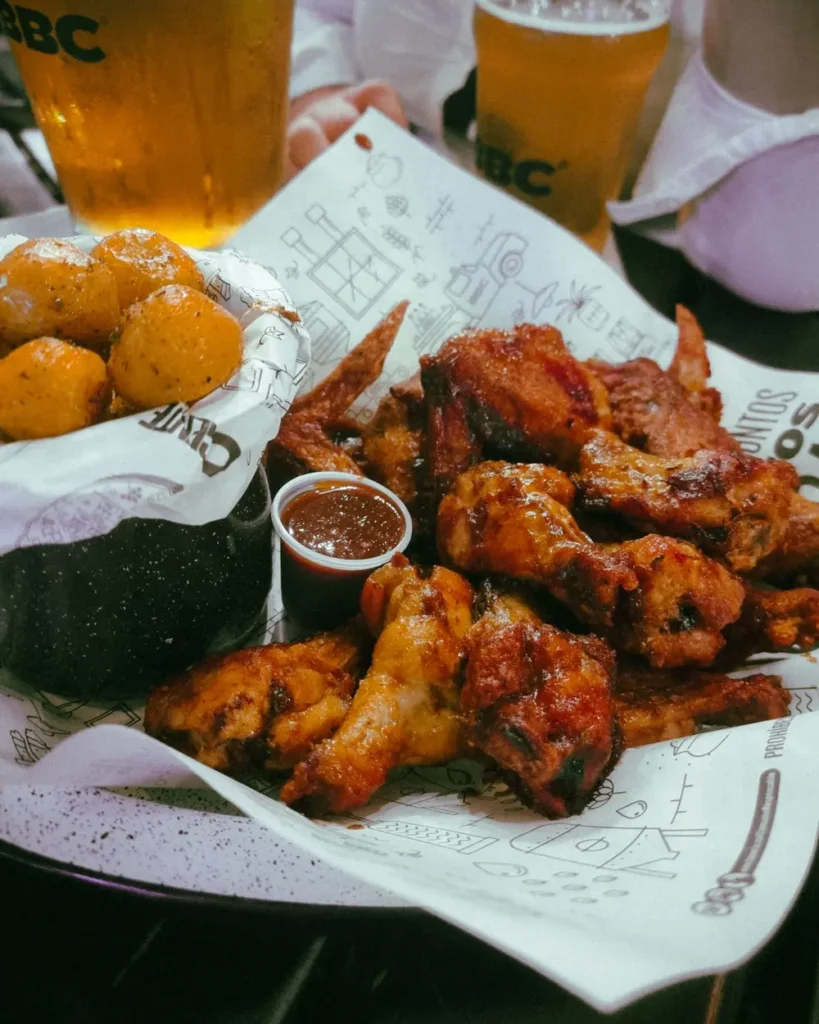
What is chimaek? Chimaek is one of Korea’s most popular food and drink pairings, combining crispy Korean fried chicken and beer into a casual social experience enjoyed with friends, at restaurants, during sports games and even beside the Han River.
The word chimaek (치맥) combines chikin, meaning chicken, with maekju, the Korean word for beer. What started as a simple pairing has become a recognizable part of modern Korean food and drinking culture.
In this guide, you’ll learn the meaning of chimaek, why fried chicken and beer became such a popular combination in Korea, which Korean fried chicken styles are worth trying, and where you can experience chimaek in Seoul.
We’ll also look at how K-dramas helped make chimaek famous around the world, why the Han River is such a popular place to enjoy it, and how chimaek differs from other Korean drinking traditions such as somaek.
If you’ve ever wondered why Koreans love chicken and beer so much, this guide explains everything you need to know before trying chimaek in Korea for yourself.
What Is a Korean Pocha? Meaning, Food & Etiquette
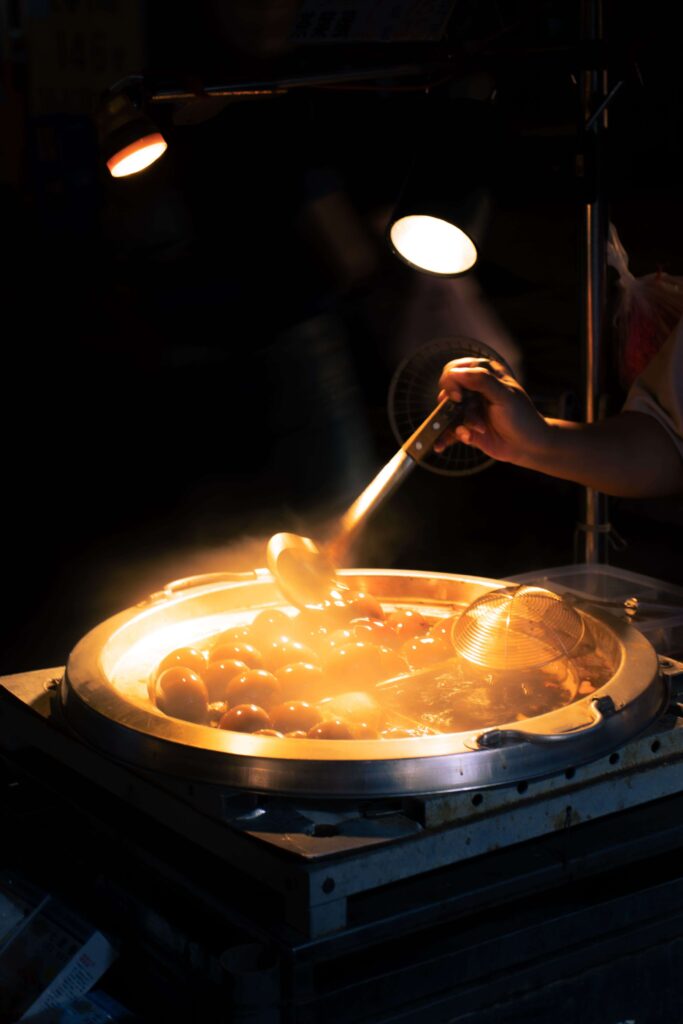
What is a Korean pocha? A pocha is one of Korea’s most recognizable late-night food and drinking experiences — a casual place where people gather around the table, share food, drink soju or beer, and spend time together in a relaxed atmosphere.
The word pocha comes from pojangmacha (포장마차), the traditional covered street stalls that appear after dark and serve everything from spicy chicken feet and rolled omelets to noodles, seafood pancakes and other popular anju dishes.
Today, a Korean pocha does not always mean a literal tent on the street. You’ll also find modern indoor pochas that recreate the same casual, social atmosphere with shared food, soju, beer and late-night energy.
In this guide, you’ll learn what pocha means, the difference between pocha and pojangmacha, what you can expect to find on a typical pocha menu, what Koreans drink there, basic etiquette for first-time visitors, and where you can experience pocha culture in Seoul.